Meetings & Events


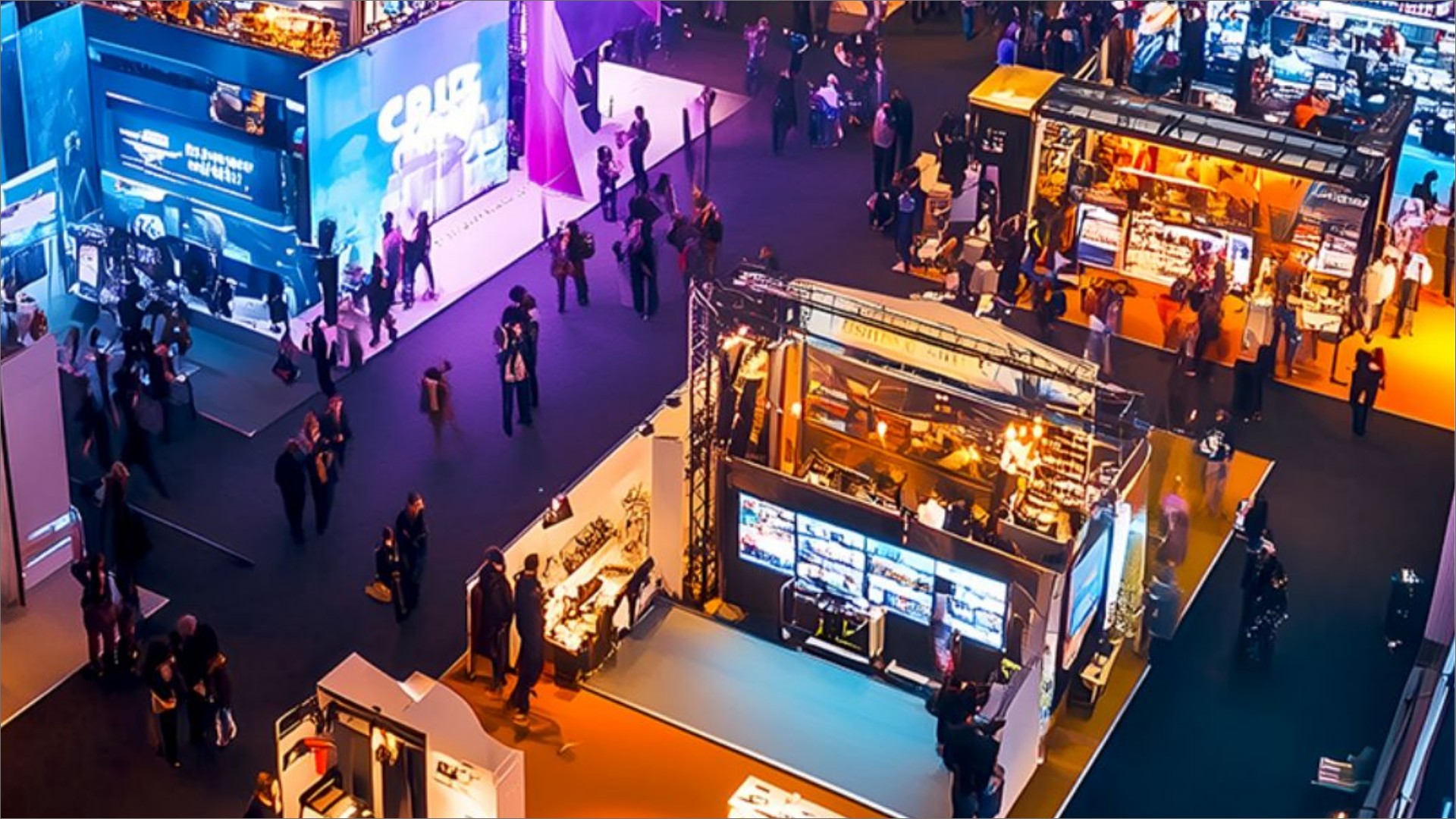
For Japanese companies entering the U.S. market, exhibiting at a trade show is a powerful growth lever. At major events such as CES (Las Vegas), BIO International, and IMTS (Chicago), you can connect directly with buyers, partners, and media from around the world.
At the same time, success requires integrated management of many moving parts—booth design and build, freight and drayage, staffing and interpreters, employee travel and lodging, and on-site troubleshooting. Running a show “as if it were in Japan” often leads to unexpected costs and delays. U.S. trade shows differ across rules, schedules, labor practices, and safety standards. Drawing on JTB USA’s on-the-ground experience, this guide explains the five essentials for avoiding costly mistakes—covering preparation, regulations, cost structure, local support, and post-show follow-up.
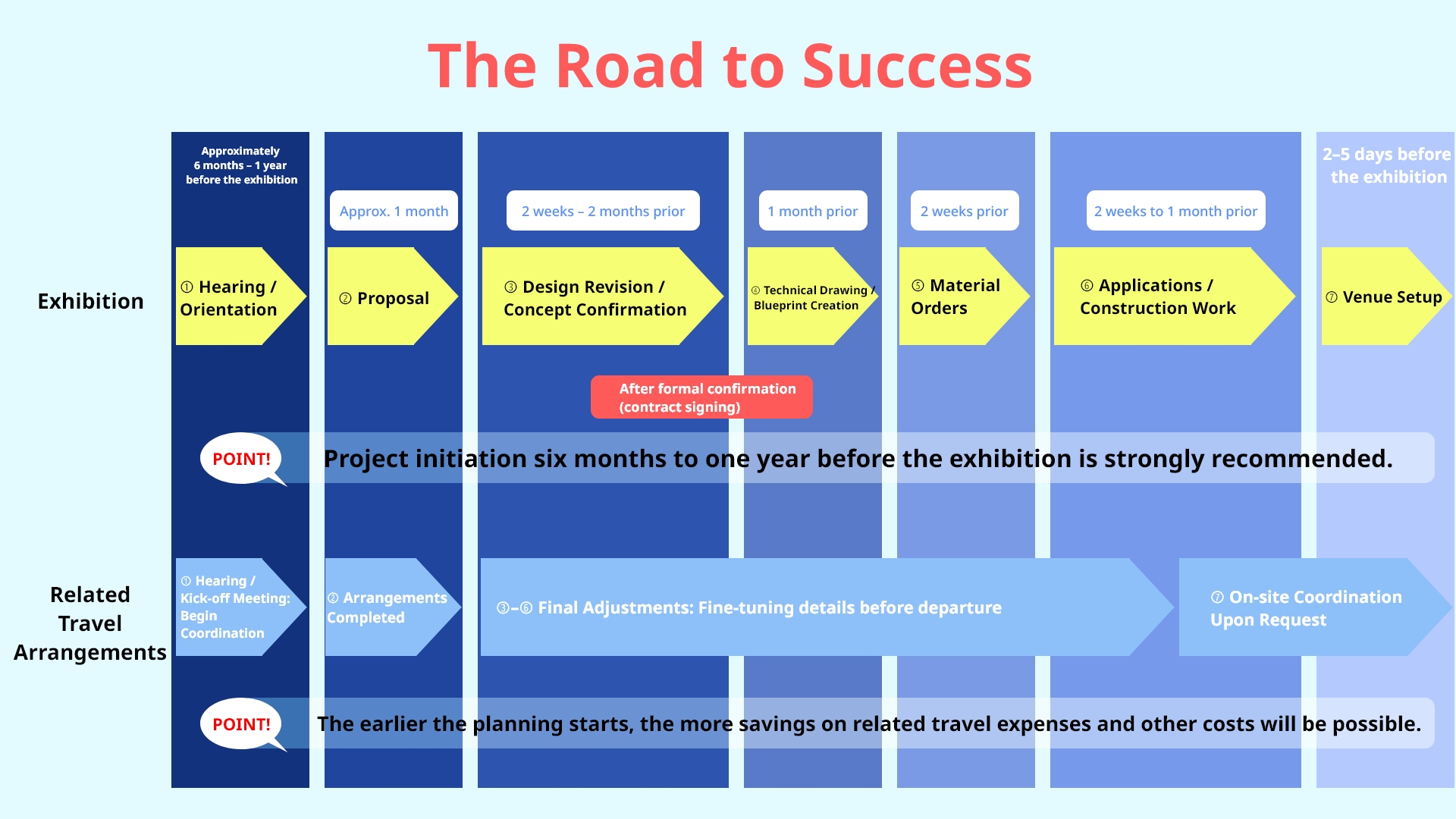
Key takeaway: Start earlier than you would in Japan. The runway from application to show day is longer, with multiple early-bird discounts and submission deadlines that materially impact budget and schedule.
In Japan, the tradeshow organizer effectively serves as the main point of contact, and designated contractors provide extensive support. As a result, beginning preparations three to four months prior to the event is generally sufficient.
In the U.S., however, all services—including booth construction, electricity, communications, transportation, and staffing—are contracted separately. Although exhibition service providers such as Freeman or GES are available, their scope of support is not as comprehensive as in Japan and does not cover every aspect of the process. With multiple contracts to manage, preparation naturally takes longer. Furthermore, as discussed below, factors such as labor union regulations and customs procedures often cause additional delays. Given these circumstances, early preparation and ordering are essential. For major exhibitions, applications for booth space in the following year often open immediately after the current event concludes. Therefore, taking early action is crucial to securing an optimal booth location.
Application → Design Freeze → Purchase Orders → Move-in → Show Days → Dismantle → Project Planning for following year
The earlier this process begins, the more time will be available to develop and refine various plans and ideas. In addition, leveraging each vendor’s discount deadlines enables cost optimization. Centralized management of submitted documents also helps minimize errors.
Key takeaway: Understand union labor, targeted move-in/move-out, fire safety, insurance (COI), and customs. The Exhibitor Manual is the source of truth.
In many venues, tasks such as freight handling, electrical, rigging, and forklift operation must be performed by union labor, limiting exhibitor do-it-yourself scope.
Venues enforce targeted move-in windows. Missed targets and overtime/after-hours work incur additional fees. Always follow the show’s Exhibitor Manual to avoid conflict and/or extra charges
Height limits, power drops, and egress requirements apply. NFPA 701 and venue-specific rules may differ from Japan, so verify at the design stage.
Most shows require a Certificate of Insurance naming the organizer and venue as additional insureds, with strict limits and wording.
Confirm what business activities are permitted under the ESTA or B-1 Visa, whether you need an ATA Carnet for temporary imports, and how activities may affect state sales tax/nexus.
Key takeaway: U.S. pricing is option-based and drayage/material handling adds significant cost on top of space, labor, and services.
In Japan, packages often include walls, lighting, and carpet. In the U.S., “space only” is the norm—nearly everything is an add-on. Union labor typically runs about $120–$180/hour with 25–50% premiums for overtime. English-language supervision and sign-offs are required.
Charged for moving freight from the marshaling yard/warehouse to your booth. Typical rates are ~US$120 per 100 lbs; mid-sized booths can exceed US$2,000. This line item is commonly included in Japan’s general freight but billed separately in the U.S.
During major shows, hotel rates can be 1.5–2× normal. Book early via the official housing block. Remember to budget for tips (10–20%).

Key takeaway: U.S. shows demand fast, English-language decision-making with union coordination. A reliable local partner mitigates delays and hidden costs.
Unlike Japan, specs often change on site. Without negotiation skills and rapid approvals in English, move-in and installation can stall.
With a local team, issues—freight delays, power problems, targeted move-in conflicts—can be resolved on the spot rather than overnight.
With JTB USA, bilingual staff coordinate vendors and schedules, overseeing build, logistics, customs, insurance, and on-site direction end-to-end. Local support is not a “nice to have”—it is the key to preventing trouble and optimizing cost.

Key takeaway: Speed matters. First contact within 48 hours and a staged nurturing plan dramatically improve conversion and ROI.
For over 60 years, JTB USA has supported enterprise-level Meetings & Events nationwide—and that on-the-ground expertise translates directly to trade show success. Leveraging our integrated management across “people, goods, and movement,” we deliver unified project design for exhibits—covering production, logistics, and operations end-to-end.
U.S. shows operate under rules, customs, and cost structures very different from Japan. Navigating union negotiations and safety standards requires local know-how and execution. A partner with both operational strength and strategic design ultimately determines outcomes.
From pre-show planning to on-site execution and post-show follow-up, partner with JTB USA to reduce risk and maximize results.
Turn ideas and insights into meaningful experiences.


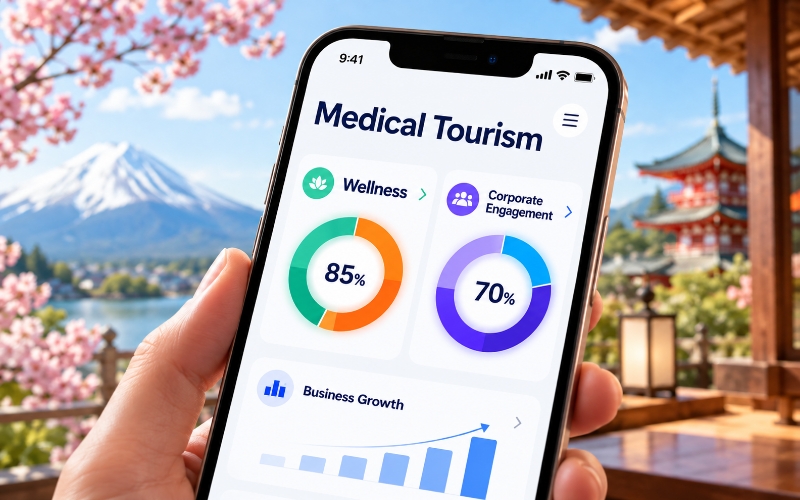
Investing in Well-Being to Drive Business Growth: Leveraging Japan's Healthcare & Wellness Through Medical Tourism
Discover how corporate medical tourism in Japan can combine preventive healthcare, wellness, and travel to create new value for employees and businesses. This article explores how companies can use Japan’s unique healthcare and tourism resources to support employee well being, enhance incentive travel, and strengthen engagement with employees, clients, and business partners.
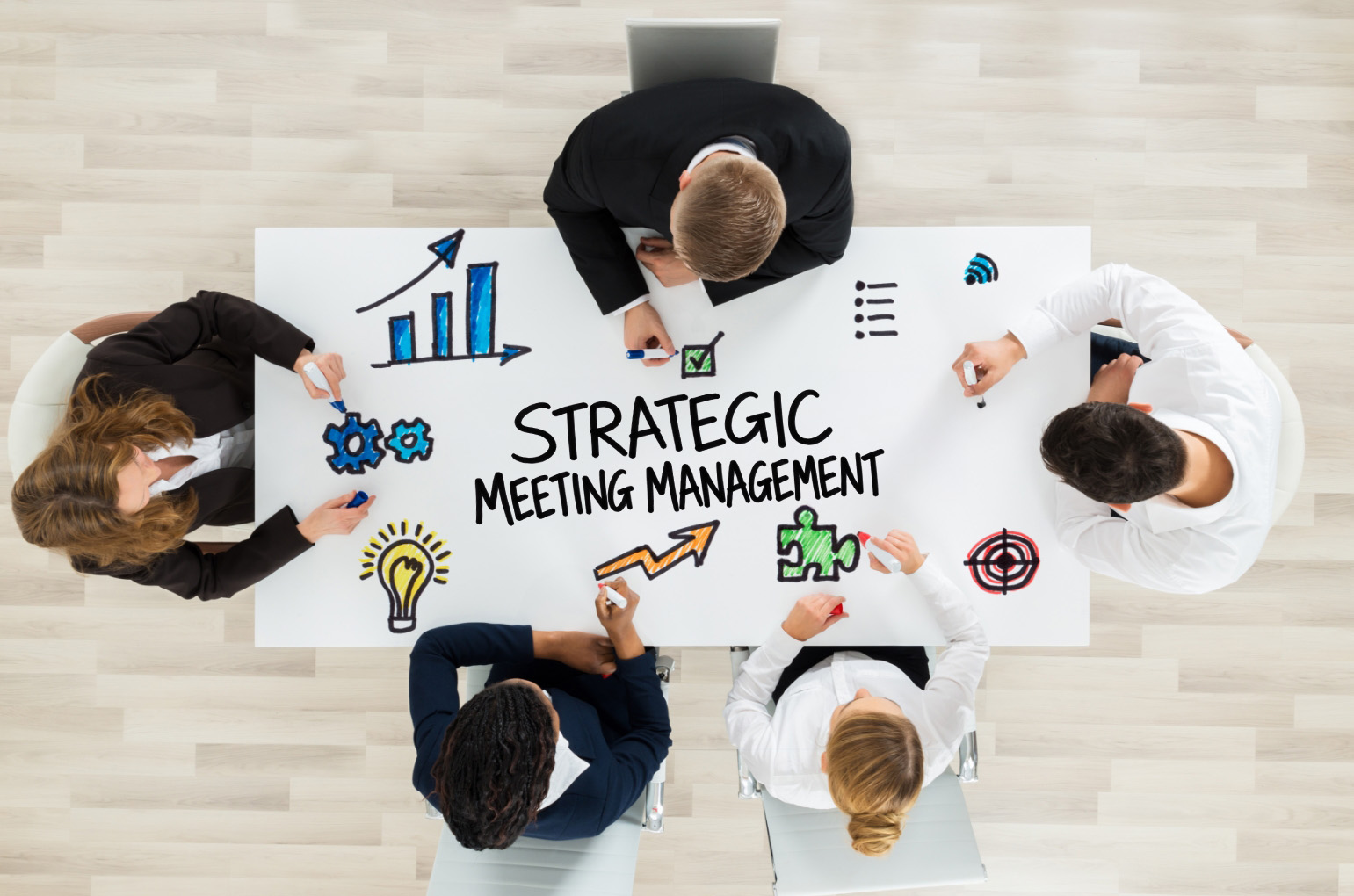
What Is Strategic Meeting Management (SMM)? A Strategic Approach to Optimizing Meetings & Events Across the Enterprise
Strategic Meeting Management (SMM) helps organizations move beyond managing meetings individually by connecting processes, spend, suppliers, technology, risk, and data across the enterprise. This article explains the seven key areas of SMM and how greater visibility can improve efficiency, compliance, and business value.

Market Recovery in Corporate Meetings: How CMM and CMP Expertise Drives Meeting Success
As business events continue to recover worldwide, experienced meeting professionals remain in short supply. Organizations are increasingly expected to deliver strategic, high quality meetings with limited internal resources. This article explores how Corporate Meeting Management (CMM) and Certified Meeting Professionals (CMPs) help organizations improve governance, attendee experience, and measurable business outcomes.