What about hosting your next event at a Unique Venue?
Last Updated on
October 7, 2026
Share:
Unique Venue Trends & How to Choose the Right Space | Field Museum Spotlight
Unique Venues
Updated: ·JTB USA
Unique Venue Trends and Background
In the event industry, professionals such as JTB USA are actively searching for terms like “Unique” “Extraordinary”and ”Long-Lasting Memorable”.
This trend reflects a broader change in what corporate events are expected to accomplish. In an era where basic information sharing can happen online, in-person events have evolved into opportunities for immersive experiences that create empathy, connection, and lasting impressions. A venue that inherently provides a unique experience aligns perfectly with this new purpose for events.
What Users Expect from a Unique Venue
What exactly do users expect from a unique venue? There are three main points:
A break from the ordinary
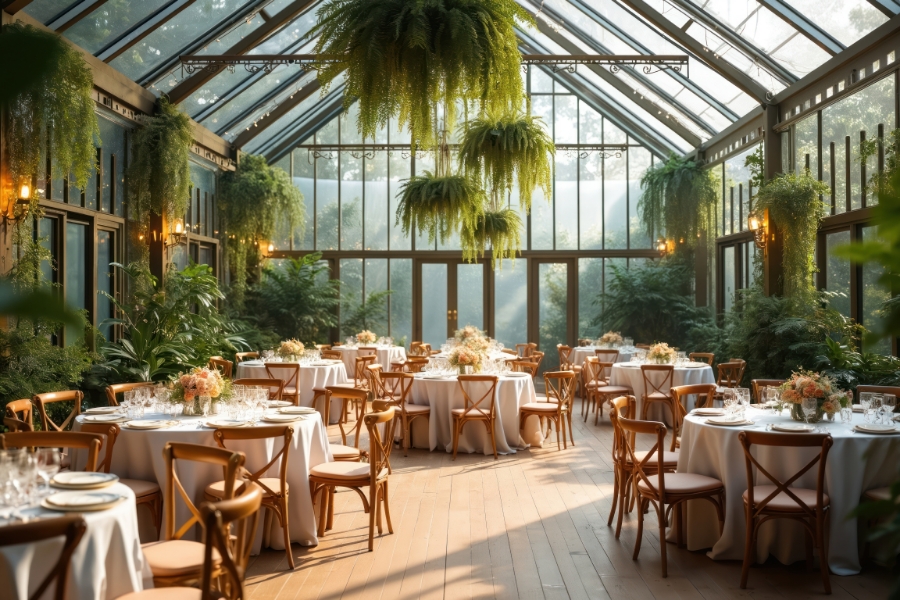
A distinctive and unique venue away from everyday work settings increases focus, sparks anticipation, and signals a special experience—encouraging strong attendance and leaving a lasting impression.
Experiential differentiation
A unique venue itself becomes a differentiating factor compared to typical event spaces. In today’s world, where social media and word of mouth carry significant influence, a memorable space encourages participants to share their experiences, contributing not only to internal engagement but also to broader external awareness. Details such as where the event was held and the atmosphere of the space directly impact brand image formation.
Story and brand alignment
The venue’s inherent story, be it historical, cultural, or architectural, should complement the event’s theme or the company’s message. When a location has a rich background or character, it naturally reinforces storytelling.
In summary, unique venues are gaining popularity because they directly contribute to an event’s experiential value. They help transform corporate events from mere gatherings into storytelling opportunities that drive engagement both internally (employees, stakeholders) and externally (clients, partners).
How to Select the Right Unique Venue
Choosing a unique venue requires clarity and thoughtful planning. The most successful events start with purpose, not aesthetics.
Align the venue with event objectives
Define the primary goal of the event before starting the venue search. Is it leadership communication, an anniversary celebration, client appreciation, or brand storytelling? A venue should support that goal, not distract from it. Grand historic spaces work well for milestone events, while modern or artistic venues suit innovation-focused gatherings.
Understand your audience
Internal events and external-facing events require different service levels. Employee-focused events may allow for a slightly more casual and fun atmosphere, while client- or partner-facing events often demand a higher level of comfort, a more refined ambiance, as well as stronger accessibility and hospitality standards. Consider expectations around catering, transportation, security, and accessibility early in the planning process.
Recognize venue constraints
Non-traditional venues often come with limitations. These may include time restrictions, sound regulations, loading limitations, or strict rules around décor and installation. However, more importantly, with the right approach and proper planning, these limitations can be successfully overcome.
Define Requirements and Evaluate the Feasibility
Create a clear list of must-haves before venue discussions begin. Throughout the evaluation process, continuously assess feasibility by clarifying capacity, layout flexibility, power supply, climate control, restrooms, AV and lighting, Wi-Fi, and catering options. This approach enables objective comparison and helps avoid selecting a venue based solely on visual appeal.
Additionally, special attention should be given to ADA (Americans with Disabilities Act) compliance, parking capacity—including any temporary valet arrangements—security staffing, and backup plans for inclement weather (especially when planning to use an outdoor venue). These elements are typically standard at traditional venues but may require additional planning at unique venues. Proper Insurance Certificate and/or permit may be required also.
Unique Venue Spotlight – Field Museum (Chicago, IL)
Photography: @studiothisisphotography
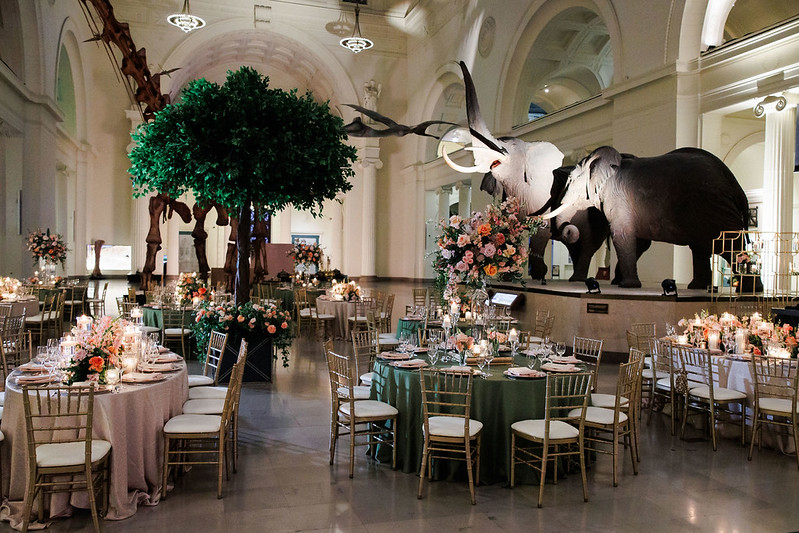
In our previous articles, we highlighted the importance of corporate anniversary events and outlined a roadmap for success. Featuring on this article as one of the venue-examples is the Field Museum of Natural History in Chicago which was founded after the 1893 World’s Columbian Exposition and has been carrying a legacy of exploration and innovation.
For anniversary events, the venue itself can perfectly reflect your company’s journey—celebrating accumulated progress, ongoing innovation, and your long-term vision. It’s not just a space; it becomes a stage for your brand story.
Overall, this exceptional venue accommodates up to 4,500 guests for a reception and 1,400 for a seated dinner, making it ideal for corporate gatherings of any scale.
Among its impressive spaces, the Stanley Field Hall features soaring ceilings and expansive open space capable of hosting large-scale events for over 1,000 guests. Attendees gather beneath dinosaur fossils and monumental architecture, creating an atmosphere of discovery and wonder.
Besides the anniversary events, it is particularly effective for client engagement and incentive travel programs where inspiration and prestige matter. Thanks to the venue’s distinctive character, you can create a unique and memorable event without relying on large-scale productions or excessive decorations.
The Role of External Partners
Planning for a unique venue does involve a longer checklist and often more lead time. Last-minute planning is not advisable when dealing with such spaces. It’s recommended to start the venue vetting and approval process as early as possible, and once booked, conduct thorough site visits with all key vendors (caterer, A/V, decorators, etc.) so everyone can scope out the quirks and needs of the site.
By understanding the venue’s unique conditions and considerations in advance, operational risks can be minimized. On-site management tends to be more complex than at conventional venues. But by working with experienced external partners to translate the concept into a concrete plan while effectively managing risks, it is possible to achieve results that far surpass those attainable at conventional venues.
JTB USA Corporate Engagement & Event Solutions supports companies across venue sourcing, negotiation, experience design, logistics, on-site execution, and post-event optimization. With deep knowledge of both Internal Engagement and External Engagement, external partners ensure that venue choice enhances outcomes rather than creating operational strain.
Turn ideas and insights into meaningful experiences.
MEETINGS
Plan and manage meetings with greater efficiency, clarity, and impact through experienced support from preparation to on site execution and post event review.
Create memorable incentive programs that motivate participants, strengthen relationships, and connect shared experiences with your business objectives.
Bring your objectives, audience, content, venue, and production together to create corporate events that strengthen engagement and leave a lasting impression.
Build a strategic exhibition experience that strengthens your brand, connects with the right audiences, and turns trade show participation into measurable business opportunities.
Discover how corporate medical tourism in Japan can combine preventive healthcare, wellness, and travel to create new value for employees and businesses. This article explores how companies can use Japan’s unique healthcare and tourism resources to support employee well being, enhance incentive travel, and strengthen engagement with employees, clients, and business partners.
Strategic Meeting Management (SMM) helps organizations move beyond managing meetings individually by connecting processes, spend, suppliers, technology, risk, and data across the enterprise. This article explains the seven key areas of SMM and how greater visibility can improve efficiency, compliance, and business value.
As business events continue to recover worldwide, experienced meeting professionals remain in short supply. Organizations are increasingly expected to deliver strategic, high quality meetings with limited internal resources. This article explores how Corporate Meeting Management (CMM) and Certified Meeting Professionals (CMPs) help organizations improve governance, attendee experience, and measurable business outcomes.