Beyond the Game: JTB’s Vision of Sports Hospitality | Corporate Engagement Through the Los Angeles Dodgers
Sports Hospitality & Corporate Engagement
Updated: ·JTB USA
As discussed in our previous blog, sports hospitality is becoming increasingly important as a tool for strengthening relationships with customers and stakeholders, particularly within the incentive travel market.
When people hear the term "sports hospitality," however, many people picture nothing more than watching a game.
At JTB, we believe hospitality encompasses far more than the time spent in the stadium.
From the moment participants head to the stadium until they head home after the game, every touchpoint contributes to the overall experience.
In this article, we would like to introduce JTB's approach to sports hospitality through one of our signature programs developed in partnership with the Los Angeles Dodgers.
Transforming Sports Viewing into a Business Experience
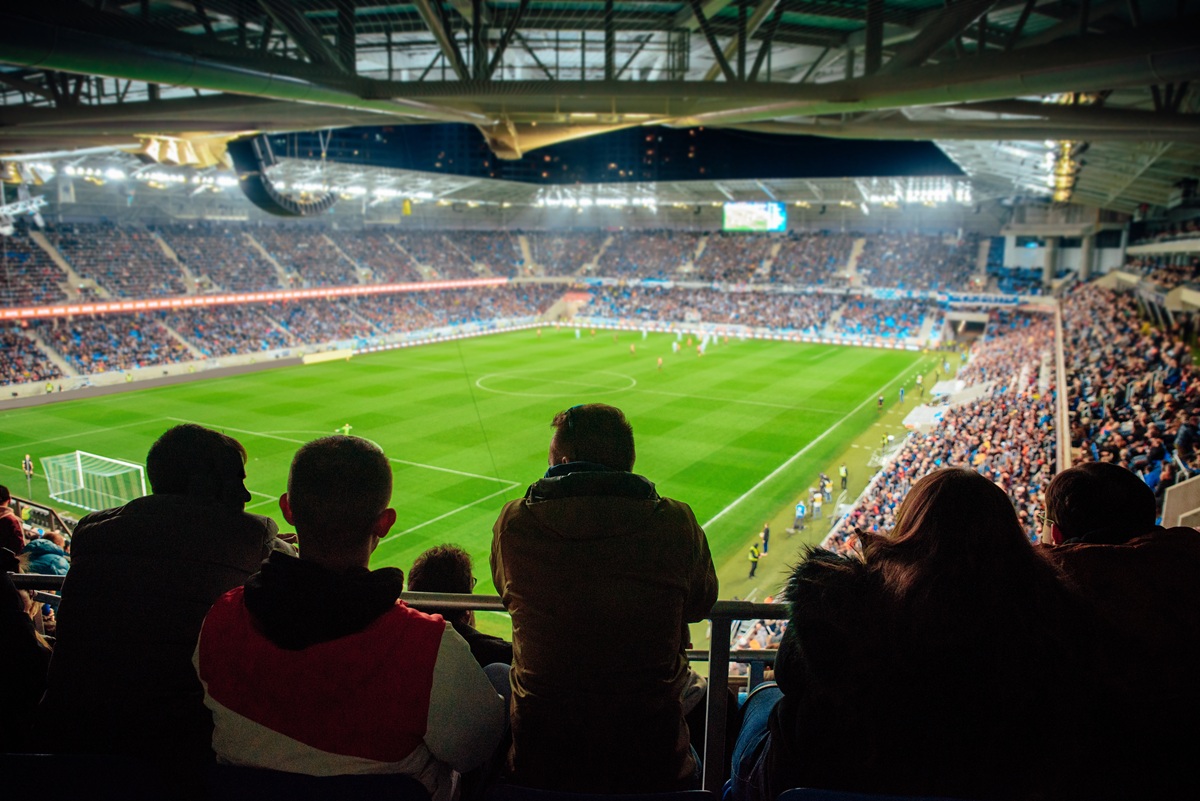
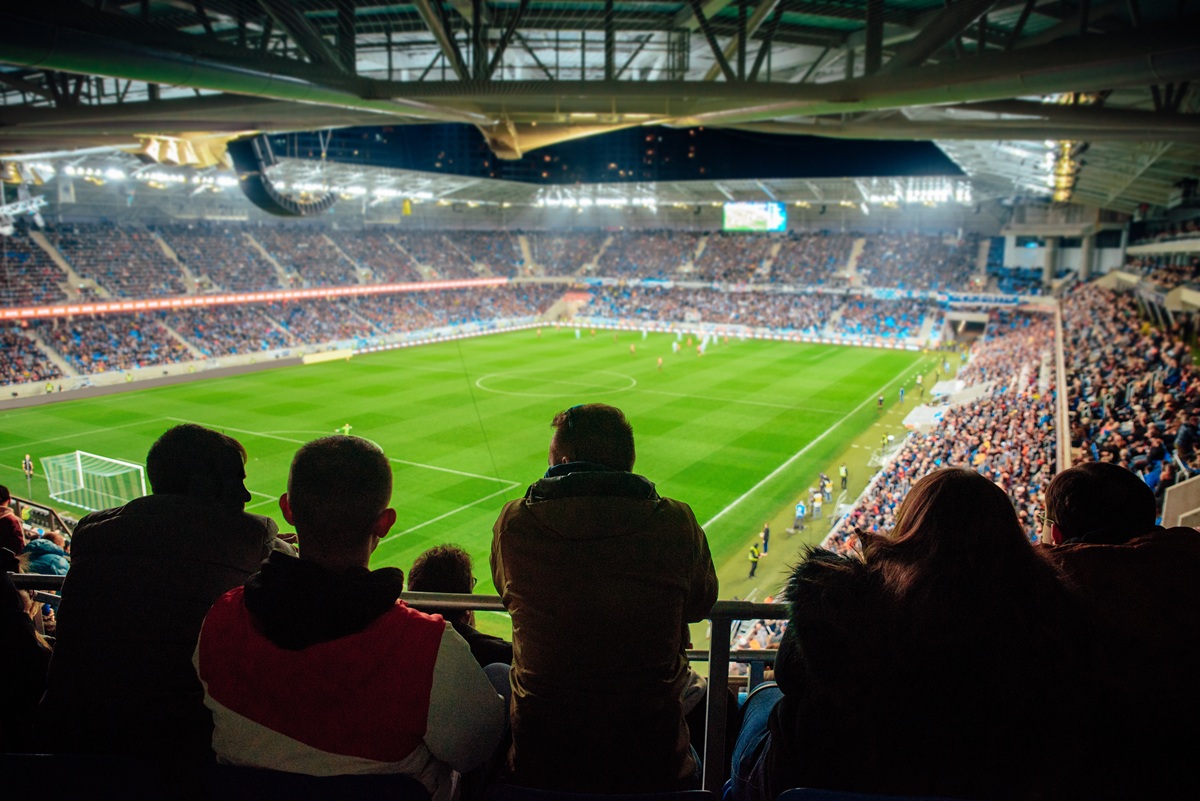
Attending a Major League Baseball game in person is already a memorable experience.
JTB Sports Hospitality takes that extraordinary experience one step further by transforming it into a meaningful opportunity to strengthen relationships between companies and their guests.
JTB was the first Japanese Meetings and Events company to be recognized as an Official Partner of the Los Angeles Dodgers. Through this partnership, we are able to offer exclusive programs and experiences that are not available to the general public.
Exclusive Experiences That Begin Before the First Pitch
On game day, participants travel to the stadium in dedicated vehicles, allowing them to begin their experience comfortably and without the stress of transportation logistics.
Upon arrival, guests will enjoy priority entry, allowing them to avoid the crowds. They will also have the opportunity to purchase official merchandise before general admission and may enjoy exclusive access to a pre-game tour before the stadium opens to the public.
The atmosphere inside a nearly empty stadium creates a unique sense of anticipation and excitement, offering special opportunities for photography and behind-the-scenes exploration that most fans never experience.
Guests may also have the chance to watch batting practice up close.
For many participants, seeing world-class athletes prepare for competition just a few feet away becomes one of the most memorable highlights of the entire program.
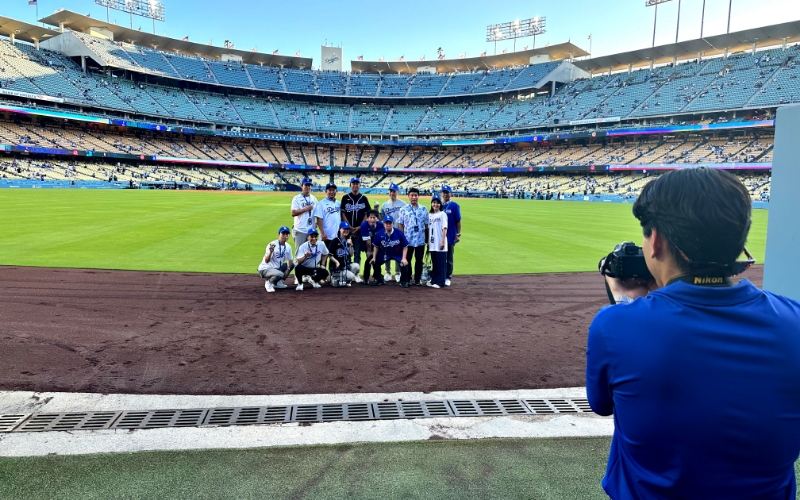
A group photo on the field is a rare experience that participants truly enjoy.
Personalized Support Throughout the Journey
Attending a major sporting event can sometimes feel overwhelming, particularly for first-time visitors.
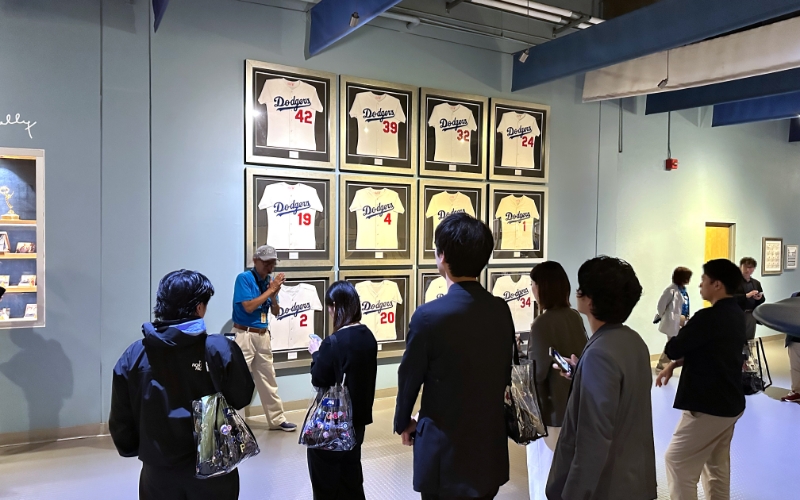
To ensure a seamless experience, JTB provides multilingual guides who accompany participants throughout the program and share insights about Dodgers history, the stadium, and notable landmarks associated with the team's legendary players.
Whether participants are dedicated baseball fans, first-time MLB spectators, families, or VIP guests attending a corporate incentive program, our team ensures that everyone can enjoy the experience with confidence and peace of mind.
In addition, JTB-exclusive original merchandise has also been well received, allowing guests to take home a tangible reminder of their special experience.
Turning the Stadium into a Business Event Venue
The value of JTB Sports Hospitality extends far beyond the game itself.
Dodger Stadium offers a variety of premium event spaces, including suites and club-level venues, making it an ideal setting for corporate incentive programs, VIP receptions, and networking events.
Examples include:
Pre-game cocktail receptions
Awards ceremonies and recognition events
Exclusive client appreciation programs
Incentive travel kick-off parties
Team-building events and group activities
Each program can be customized to meet a company's specific objectives and audience.
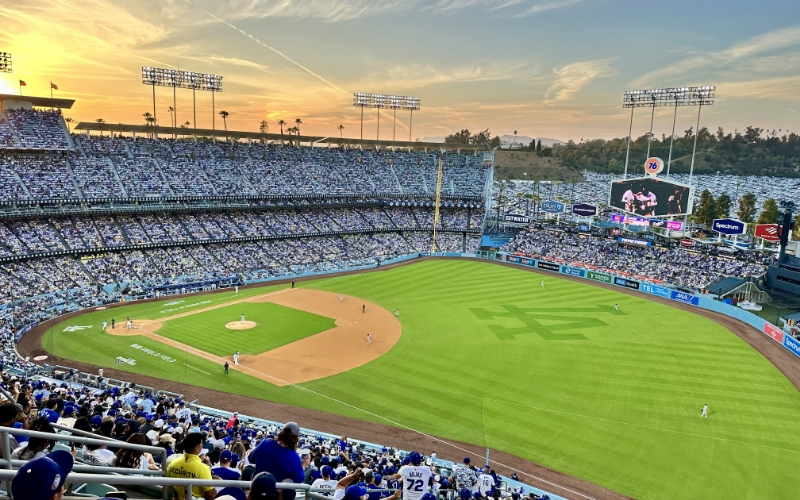
As one of the world's most iconic sports venues, Dodger Stadium provides a unique environment that naturally encourages interaction among participants while creating memorable opportunities to communicate corporate messages and strengthen brand value.
Hospitality That Continues After the Final Out
For large-scale sporting events, post-game congestion can often be one of the biggest challenges.
At JTB, hospitality does not end when the game is over.
Dedicated vehicles are positioned near designated exits, allowing participants to depart efficiently under the guidance of event staff. This minimizes waiting times and helps guests avoid the congestion typically associated with parking lots and rideshare pick-up areas.
For corporate groups and VIP guests, this seamless departure process significantly reduces stress while ensuring a safe and efficient return journey.
Designing the Entire Experience, Not Just the Game
JTB's objective is not simply to provide access to a sporting event.
From intimate VIP programs to large-scale incentive groups consisting of hundreds of participants, we carefully design every aspect of the experience to ensure guests leave with a lasting positive impression.
Transportation, language support, game-day experiences, event production, exclusive benefits, and post-event engagement are all integrated into a single, cohesive journey.
By leveraging the emotional power of sports, we help deepen personal connections and strengthen engagement between companies and their stakeholders.
That is what sports hospitality means to JTB.
The Dodgers program introduced here is one of the most compelling examples of this philosophy in action.
JTB will continue to combine the excitement of sports with the strategic objectives of business events, creating unforgettable experiences that leave a lasting impression on every participant.
Our previous article explores how sports hospitality can strengthen trust, deepen stakeholder relationships, and create long-term relationship value for companies.