How to Drive Real Results from External Incentive Trips : A Strategic Design to Strengthening Partner Relationships and Engagement
Last Updated on
October 7, 2026
Share:
How to Drive Real Results from External Incentive Trips : A Strategic Design to Strengthening Partner Relationships and Engagement
Incentive Trip / Partner Engagement
Updated: ·JTB USA
Incentive Trips Should Not End as “Just a Fun Trip”
Incentive trips designed for both internal and external stakeholders, including distributors / dealers are not meant to be simply fun travel experiences. When designed and executed properly, they are one of the key strategic initiatives that support sustainable business growth and can generate meaningful results.
However, feedback often highlights several challenges, such as: “The trip was enjoyable, but we cannot see any change in distributor motivation,” “We cannot measure whether brand engagement increased,” and “The results are unclear, making it difficult to secure the budget for the following year.”
At JTB USA, we believe these challenges occur because incentive trips are often underutilized as a strategic initiative. Based on our experience, there are three core reasons why incentive trips fail to deliver measurable results.
Three Reasons Incentive Trips Fail to Deliver Business Impact
1. Unclear Purpose at the Planning Stage
When the fundamental question “why this incentive trip is being held” is not clearly defined, it becomes difficult to measure outcomes or improve future programs.
2. Brand Values and Corporate Philosophy Are Not Effectively Communicated
An incentive trip is a rare opportunity to communicate a company’s brand values, mission, and philosophy in a way that goes beyond words. However, if the program is not designed with participant engagement in mind, these messages often fail to resonate.
Effective incentive trip design requires a consistent, strategic approach across all phases of the journey:
Before the trip (pre-engagement)
During the trip (on-site experience)
After the trip (post-event follow-up)
3. Insufficient Design as a Relationship-Building Opportunity
Shared travel experiences naturally support relationship building. However, without careful consideration & design of how, when, and what experiences are delivered, the relationship-building potential of an incentive trip remains limited, and expected business outcomes are rarely achieved.
JTB USA’s Approach to Strategic Incentive Trip and Experience Design
At JTB USA, we do not consider incentive trips as fun occasions. Instead, we position those as a strategic tool for the client to strengthen stakeholder engagement which is an essential element of sustainable business growth.
To maximize impact, we emphasize detailed planning from both the host company’s and participants’ perspectives. Below, we introduce our case study that approaches how engagement-driven design, storytelling, and relationship-focused experiences can transform an incentive trip into a successful experience.
Case Study
A Japanese Manufacturing Company Based in Canada: Anniversary Incentive Trip for Top Dealers
This case highlights an anniversary incentive trip organized by a Japanese manufacturing company operating in Canada. The program targeted top-performing dealers and was designed to celebrate a corporate anniversary while simultaneously supporting sales growth.
Through meetings with the client, JTB USA came to understand that the host company—renowned for its high-performance products—aimed to utilize its anniversary as an opportunity to highlight its long-term goal of remaining a trusted choice. To achieve this, we realized that participants needed not only to understand the company’s philosophy but also to truly connect with it. This philosophy is deeply rooted in Japanese culture and is embodied by the spirit of Omotenashi—a uniquely Japanese approach to service that emphasizes anticipation, respect, and care.
Based on this philosophy, the incentive trip was designed to achieve three objectives:
Express genuine appreciation to high-performing dealers
Strengthen long-term partner relationships
Reinforce pride in being a trusted dealer of the brand
Three Key Success Factors
1. A Dedicated Platform Connecting Pre-Trip, On-Site, and Post-Trip Engagement
This incentive trip was intentionally designed to be purposeful beyond travel itself. A bilingual (English and French), visually rich dedicated website was created to build anticipation before departure. Teaser content and phased itinerary reveal to encourage ongoing engagement and reinforce participants’ motivation to attend.
After the trip, interviews were conducted to evaluate satisfaction, changes in brand perception, sales mindset, and relationship depth. This allowed the experience to function as a measurable, strategic engagement process rather than a one-time event.
2. A Signature Dining Experience That Communicated Brand Values
As a global company rooted in Japanese culture, the host organization places exceptional importance on Omotenashi as a key differentiator. To bring this philosophy to life, JTB USA recreated a special dinner menu originally served at the Ise-Shima G7 Summit, where global leaders including the Canadian Prime Minister were hosted.
For participants with strong national pride, experiencing a level of Omotenashi‐hospitality comparable to that extended to the prime minister delivered a powerful emotional impact. Accompanied by remarks from the executive chef, the evening stood apart from conventional banquets and receptions, leaving a lasting impression tied directly to the brand’s commitment to quality and respect.
3. Immersive, Experience-Driven Travel Content
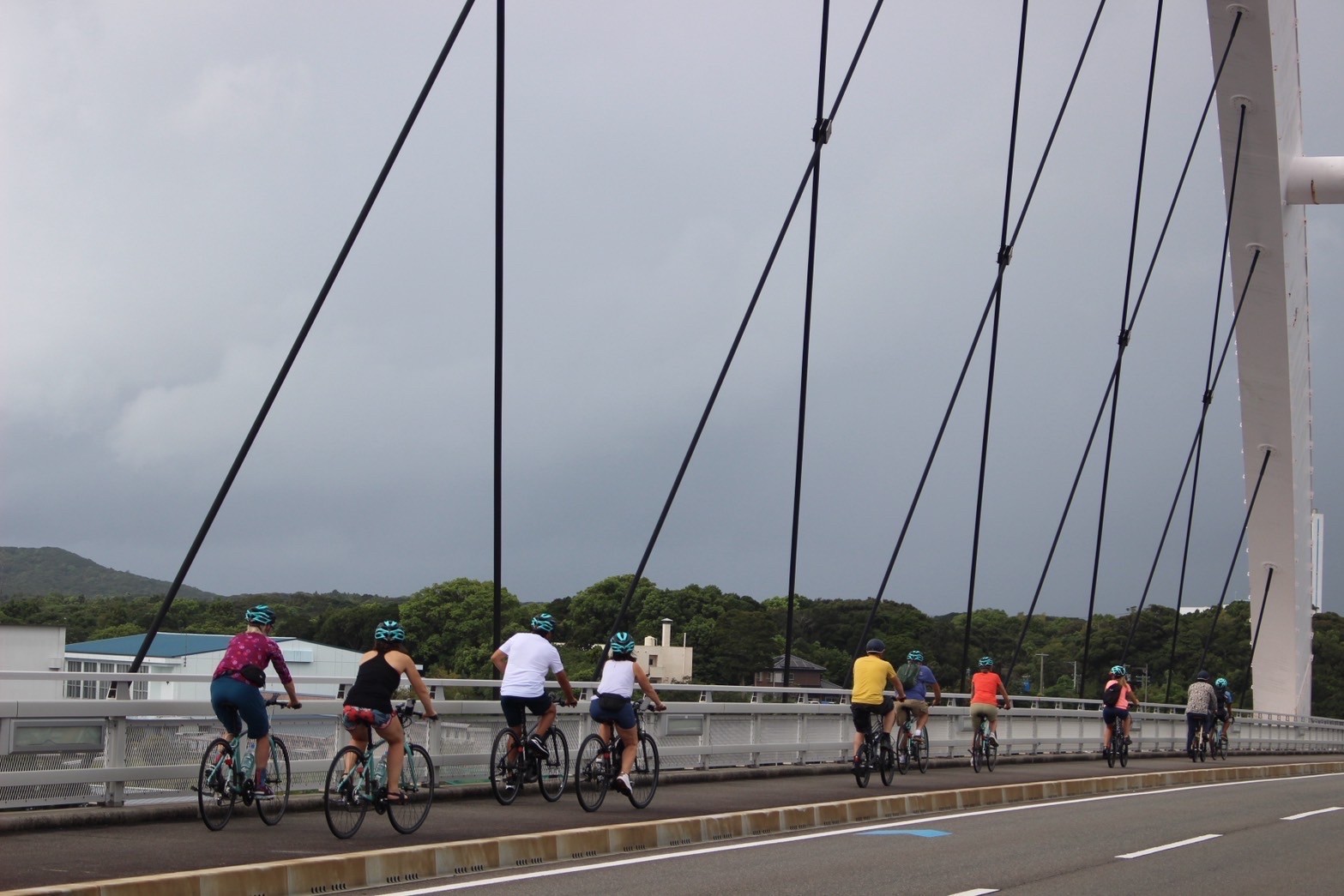
Recognizing participants’ strong interest in nature-based activities, the program incorporated kayaking, cycling, and local cultural exchanges. In response to growing demand for authentic, community-based travel experiences, the itinerary included:
Lunch and cultural exchange at an “Ama”hut *Ama = Traditional female free divers in the region
Explore a traditional fishing village on a remote island
Tours of locally inherited bonito flake production facilities
To further deepen relationships, activities were offered in small, selectable groups, encouraging meaningful interaction between participants and company representatives, something rarely achieved in large-scale group travel.
Unquestionably, factory tours and product demonstration played critical roles, allowing participants to engage directly with the company’s manufacturing philosophy and long-term product vision. Rather than passive observation, these experiences connected participants emotionally to the brand story behind each product.
Results and Key Takeaways
Unlike traditional “fun-only” incentive trips, this program was built around clearly defined objectives and challenges. As a result, both participant satisfaction and long-term relationship value increased significantly.
Many invited dealers achieved their sales targets, and feedback suggests that the shared experiences strengthened trust and alignment between the dealers and the host company.
Participant comments included:
“Unlike the typical annual incentive trips hosted by other manufacturers, this one was thoughtfully designed and memorable.”
“I’ve never felt so genuinely welcomed on an incentive trip.”
“This was the most memorable incentive trip I’ve ever attended.”
These outcomes demonstrate that incentive trips designed around purpose, experience, and engagement can deliver stronger ROI(Return on Investment) and ROE(Return on Engagement) than traditional, recurring travel programs.
If your current incentive trip feels enjoyable but lacks measurable business impact, it may be time to shift from travel planning to experience design. For companies planning anniversary programs, special events, or seeking to elevate partner engagement, JTB USA is ready to help.
Turn ideas and insights into meaningful experiences.
MEETINGS
Plan and manage meetings with greater efficiency, clarity, and impact through experienced support from preparation to on site execution and post event review.
Create memorable incentive programs that motivate participants, strengthen relationships, and connect shared experiences with your business objectives.
Bring your objectives, audience, content, venue, and production together to create corporate events that strengthen engagement and leave a lasting impression.
Build a strategic exhibition experience that strengthens your brand, connects with the right audiences, and turns trade show participation into measurable business opportunities.
Discover how corporate medical tourism in Japan can combine preventive healthcare, wellness, and travel to create new value for employees and businesses. This article explores how companies can use Japan’s unique healthcare and tourism resources to support employee well being, enhance incentive travel, and strengthen engagement with employees, clients, and business partners.
Strategic Meeting Management (SMM) helps organizations move beyond managing meetings individually by connecting processes, spend, suppliers, technology, risk, and data across the enterprise. This article explains the seven key areas of SMM and how greater visibility can improve efficiency, compliance, and business value.
As business events continue to recover worldwide, experienced meeting professionals remain in short supply. Organizations are increasingly expected to deliver strategic, high quality meetings with limited internal resources. This article explores how Corporate Meeting Management (CMM) and Certified Meeting Professionals (CMPs) help organizations improve governance, attendee experience, and measurable business outcomes.





.jpg)